By Joy Vance
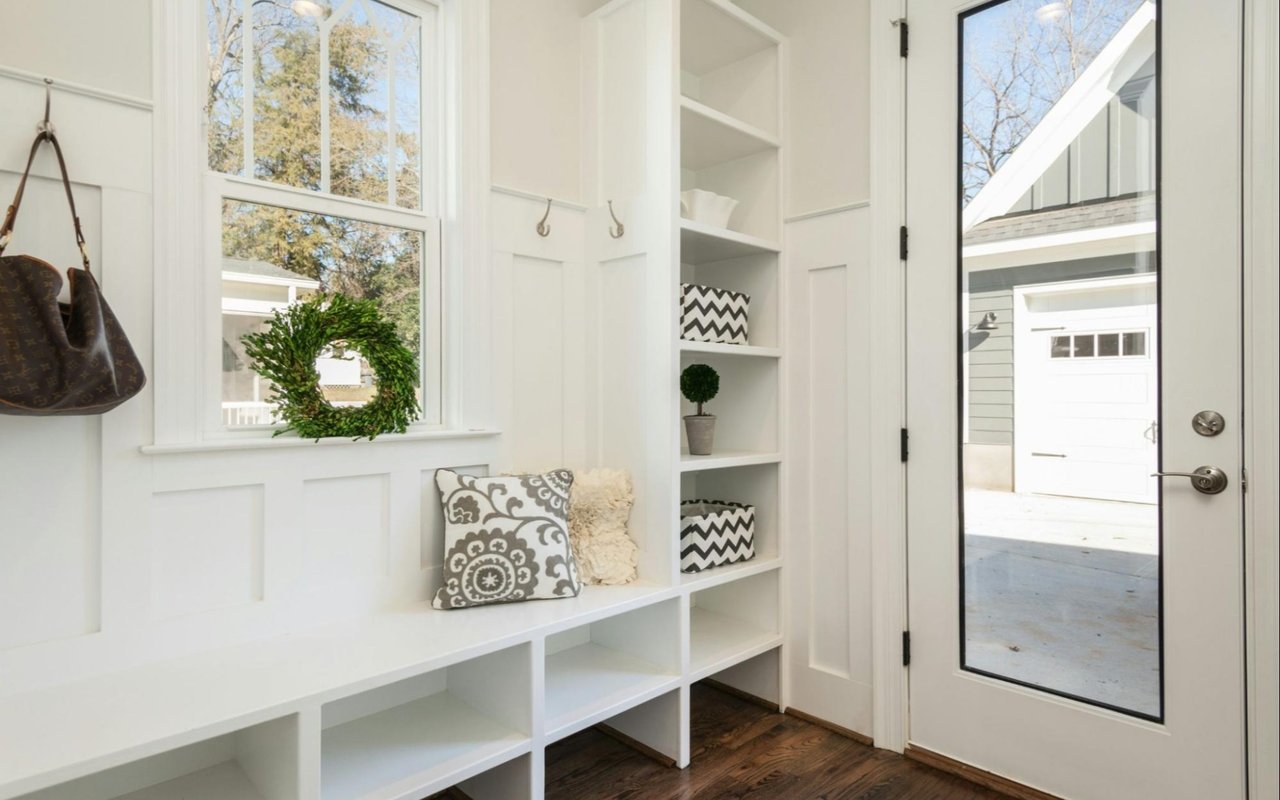
In Bozeman and the surrounding mountain communities, the mudroom isn't a luxury add-on — it's one of the most functional rooms in the house. Between ski days at Bridger Bowl, trail runs off Triple Tree, summer hikes into Hyalite Canyon, and everything else this lifestyle demands, the amount of gear that flows in and out of a Montana mountain home is extraordinary. A well-designed mudroom handles all of it without chaos spilling into the rest of the house. Here's how to build one that actually works.
Key Takeaways
- In Montana mountain homes, the mudroom needs to manage gear for four distinct seasons — ski equipment, hiking packs, cycling gear, and everything in between.
- Durable, easy-to-clean materials are non-negotiable in a region with mud, snow, and heavy use year-round.
- Dedicated zones for each family member and each activity type are what separate a functional mudroom from a beautiful one that doesn't work.
- Storage capacity in a Montana home should be planned generously — underestimating it is the most common mudroom design mistake.
Design for Four Seasons of Montana Gear
The first thing that separates a Montana mountain mudroom from one designed for a milder climate is the sheer variety and volume of gear it needs to accommodate. In Bozeman-area homes — whether you're in Triple Tree Ranch with trail access out the back, Bridger Canyon near the ski area, or Eagle Rock Reserve with private trail systems — the seasonal gear rotation is significant.
Ski and snowboard equipment takes the most space and needs dedicated storage: boot dryers, helmet hooks, goggle storage, and somewhere to hang wet jackets without them dripping onto flooring. Summer hiking gear — packs, trekking poles, trail runners — needs its own zone. Cycling gear, fishing waders, and dog gear (a staple in Bozeman households) each deserve designated spots. The goal is that every item has a home it can be returned to without thought.
Ski and snowboard equipment takes the most space and needs dedicated storage: boot dryers, helmet hooks, goggle storage, and somewhere to hang wet jackets without them dripping onto flooring. Summer hiking gear — packs, trekking poles, trail runners — needs its own zone. Cycling gear, fishing waders, and dog gear (a staple in Bozeman households) each deserve designated spots. The goal is that every item has a home it can be returned to without thought.
Gear Categories to Plan Storage Around in a Montana Mudroom
- Ski and snowboard: boot dryers, wall hooks for jackets and bibs, helmet and goggle storage
- Hiking and trail running: pack hooks at height, pole storage, shoe cubbies for trail footwear
- Fishing: wader drying area, rod storage, tackle organization
- Cycling: bike hooks or floor mounts, helmet hooks, jersey drying space
- Dog gear: leash hooks, collar storage, wipe-down station near the entry
Materials That Hold Up to Montana Use
A mudroom in a Montana mountain home takes abuse that most design-forward materials can't handle. Snow, mud, wet gear, and heavy boots are daily realities, and choosing materials that look beautiful but can't withstand this use is one of the most expensive mistakes a homeowner can make.
Flooring should be large-format porcelain tile, slate, or natural stone — all are durable, water-resistant, and easy to mop. Heated floors beneath tile are worth every penny in a Montana mudroom: they dry boots overnight, warm the room on cold mornings, and make the space feel considered rather than utilitarian. Bench seating in solid wood — not engineered wood or MDF — holds up to wet gear and daily use without warping or deteriorating.
Wall finishes should be scrubbable. Semi-gloss or high-gloss paint is standard, but beadboard paneling in painted wood or durable composite materials adds character while remaining easy to clean. Cabinet hardware should be solid metal — nothing that will corrode or break under regular use with wet hands.
Flooring should be large-format porcelain tile, slate, or natural stone — all are durable, water-resistant, and easy to mop. Heated floors beneath tile are worth every penny in a Montana mudroom: they dry boots overnight, warm the room on cold mornings, and make the space feel considered rather than utilitarian. Bench seating in solid wood — not engineered wood or MDF — holds up to wet gear and daily use without warping or deteriorating.
Wall finishes should be scrubbable. Semi-gloss or high-gloss paint is standard, but beadboard paneling in painted wood or durable composite materials adds character while remaining easy to clean. Cabinet hardware should be solid metal — nothing that will corrode or break under regular use with wet hands.
Material Choices That Hold Up in a Montana Mountain Mudroom
- Flooring: large-format porcelain tile, slate, or natural stone — sealed and easy to maintain
- Heated floors: radiant heat beneath tile is the single most impactful comfort upgrade
- Bench seating: solid wood, not engineered — built-in is more durable than freestanding
- Wall finish: semi-gloss or high-gloss paint; beadboard for character and durability
- Cabinet and hook hardware: solid brass, stainless, or powder-coated steel
Zoning: The Key to a Mudroom That Stays Organized
A mudroom with generous storage but no system will fill up and become chaotic within weeks. Zoning — assigning specific areas to specific people and specific gear types — is what makes storage sustainable. In a Montana household with multiple active people and multiple seasons of gear, this matters more than in almost any other context.
Per-person lockers or cubbies with a dedicated hook, shelf, and bench space below are the most effective organizational framework. Each person's zone handles their daily-use items: coat, pack, boots, and helmet. Shared gear — dog leashes, bear spray, sunscreen — goes in a central zone accessible to everyone. Seasonal deep storage — ski gear in summer, camping gear in off-season — goes higher and further back, accessed less frequently.
Per-person lockers or cubbies with a dedicated hook, shelf, and bench space below are the most effective organizational framework. Each person's zone handles their daily-use items: coat, pack, boots, and helmet. Shared gear — dog leashes, bear spray, sunscreen — goes in a central zone accessible to everyone. Seasonal deep storage — ski gear in summer, camping gear in off-season — goes higher and further back, accessed less frequently.
Mudroom Zoning Framework for a Bozeman Mountain Home
- Per-person zones: individual hook, upper shelf, lower cubby for boots or shoes
- Shared daily zone: leashes, bear spray, sunscreen, spare gloves — accessible to everyone
- Boot drying zone: heated floor or boot dryer below the bench; dedicated space per person
- Wet gear zone: away from finished materials; tile or stone floor beneath gear hooks
- Seasonal storage: high shelving or adjacent closet for off-season equipment
Thoughtful Touches That Elevate the Space
The best mudrooms in Bozeman's luxury homes are designed with the same level of finish quality as the rest of the house — they don't feel like afterthoughts. Built-in seating with upholstered cushions in durable, washable fabric adds comfort. A utility sink in the mudroom is invaluable for rinsing gear, washing dogs, and cleaning up without tracking mud further into the house. A charging station built into cabinetry handles phones and headlamps without cord clutter.
A bench at the right height — 18 inches for adults — with storage beneath and a hook directly above is the fundamental unit of mudroom design. Everything else builds from there.
A bench at the right height — 18 inches for adults — with storage beneath and a hook directly above is the fundamental unit of mudroom design. Everything else builds from there.
Frequently Asked Questions
How large should a mudroom be in a Montana mountain home?
More space is almost always better, but a functional mudroom can be achieved in as little as 8 by 10 feet if it's designed well. For families with serious gear collections — multiple skiers, cyclists, hikers, and dogs — a dedicated room of 12 by 14 feet or larger allows for the full per-person locker system and shared gear zones without compromise.
Should the mudroom connect directly to the garage in a Bozeman home?
Yes — in Montana's climate, a garage-to-mudroom connection is the preferred entry point for most households. It keeps snow, mud, and wet gear from coming through the front door, and it allows for a complete transition zone between the outdoor environment and the interior of the home.
Is heated flooring worth the cost in a Montana mudroom?
Absolutely. In a climate where snow and wet gear are daily realities for months at a time, radiant heat beneath the mudroom tile dries the floor quickly, warms boots overnight, and makes the space dramatically more functional. It's one of the most consistent high-value upgrades I recommend in Montana mountain home design.
Contact Joy Vance Today
Designing a home that works for Montana mountain living requires understanding what that lifestyle actually demands — and that's knowledge I bring to every buyer and seller I work with in Bozeman and the surrounding communities.
If you're looking for a home in the Bozeman area or preparing to sell, let's connect. Reach out to me at Joy Vance and Co. and let's find the right home for your Montana life.
Recommended reading: Best Home Decor Tips for Homes in Bozeman
If you're looking for a home in the Bozeman area or preparing to sell, let's connect. Reach out to me at Joy Vance and Co. and let's find the right home for your Montana life.
Recommended reading: Best Home Decor Tips for Homes in Bozeman