By Joy Vance
How do you build a home that belongs to a landscape as visually commanding as the Gallatin Valley without diminishing either the architecture or the view?
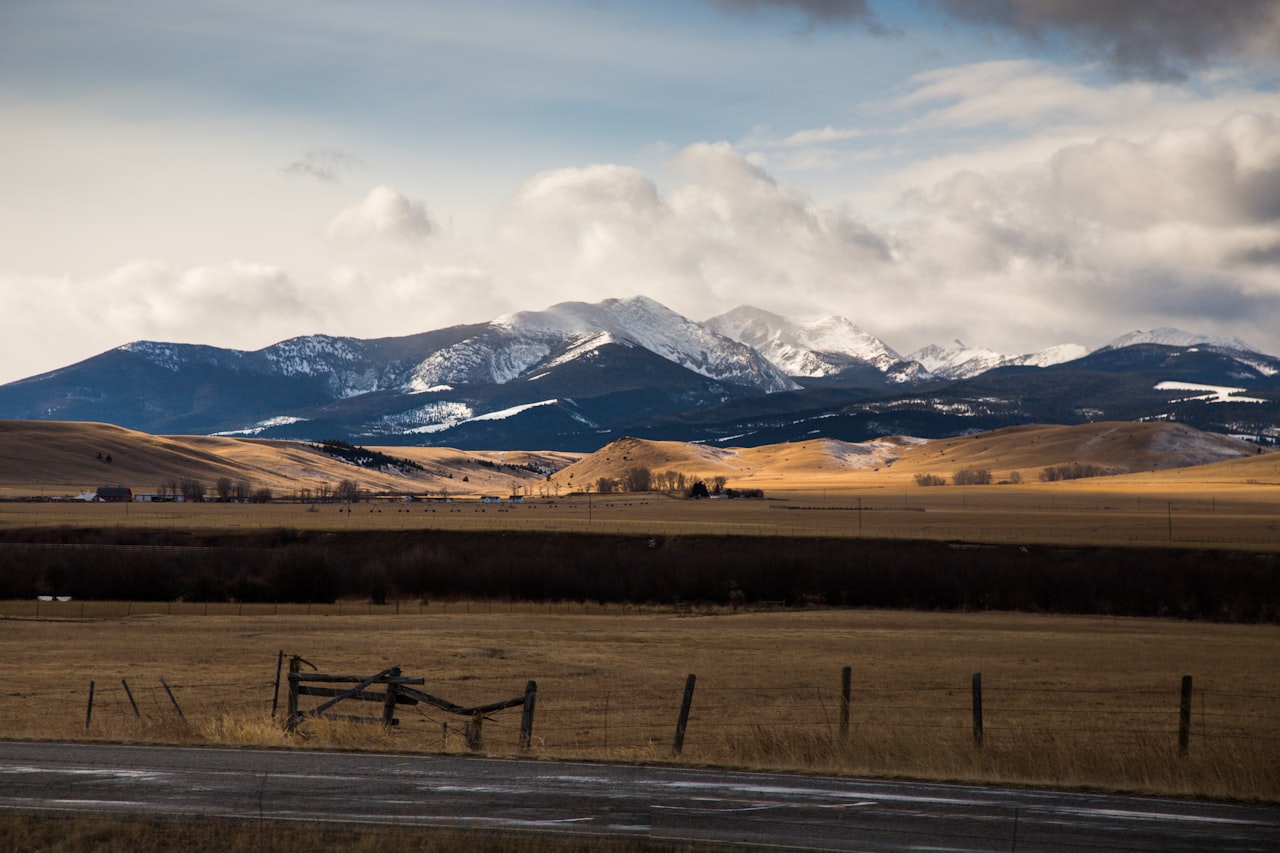
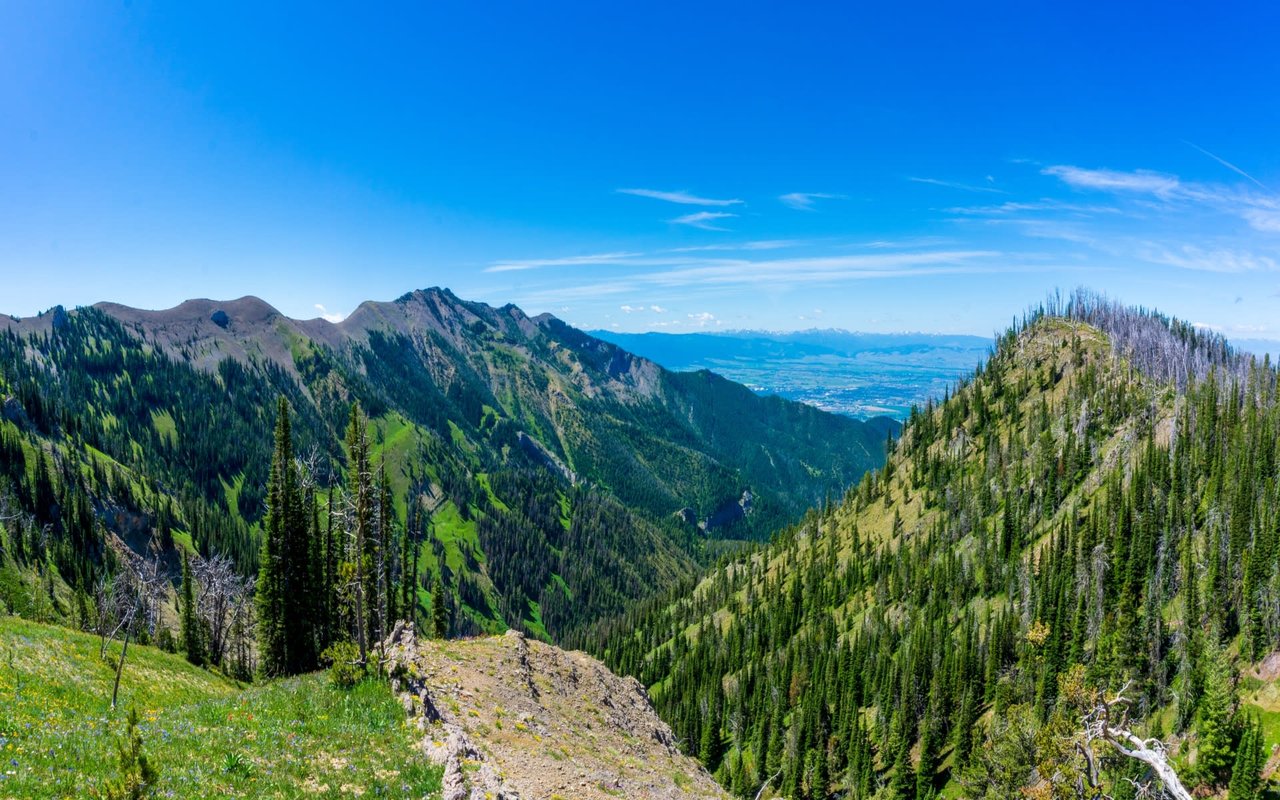
The answer involves a deliberate alignment of siting, material selection, and interior composition that treats the Bridger Range, the Spanish Peaks, and the valley floor as active participants in the design rather than a backdrop. When executed well, you can achieve a home that feels simultaneously rooted and expansive.
Key Takeaways
- Siting and orientation: Placement relative to views, solar gain, and prevailing weather is the most consequential design decision on any Montana property.
- Material selection: Reclaimed timber, Montana moss rock, and weathering steel connect a home to its landscape in ways that synthetic alternatives cannot replicate.
- Indoor-outdoor flow: Covered outdoor living spaces, operable wall systems, and deliberate glazing extend the interior into Montana's shoulder seasons.
- Energy performance: Montana's climate demands envelope performance and mechanical systems well beyond minimum code requirements.
Siting, Orientation, and View Capture
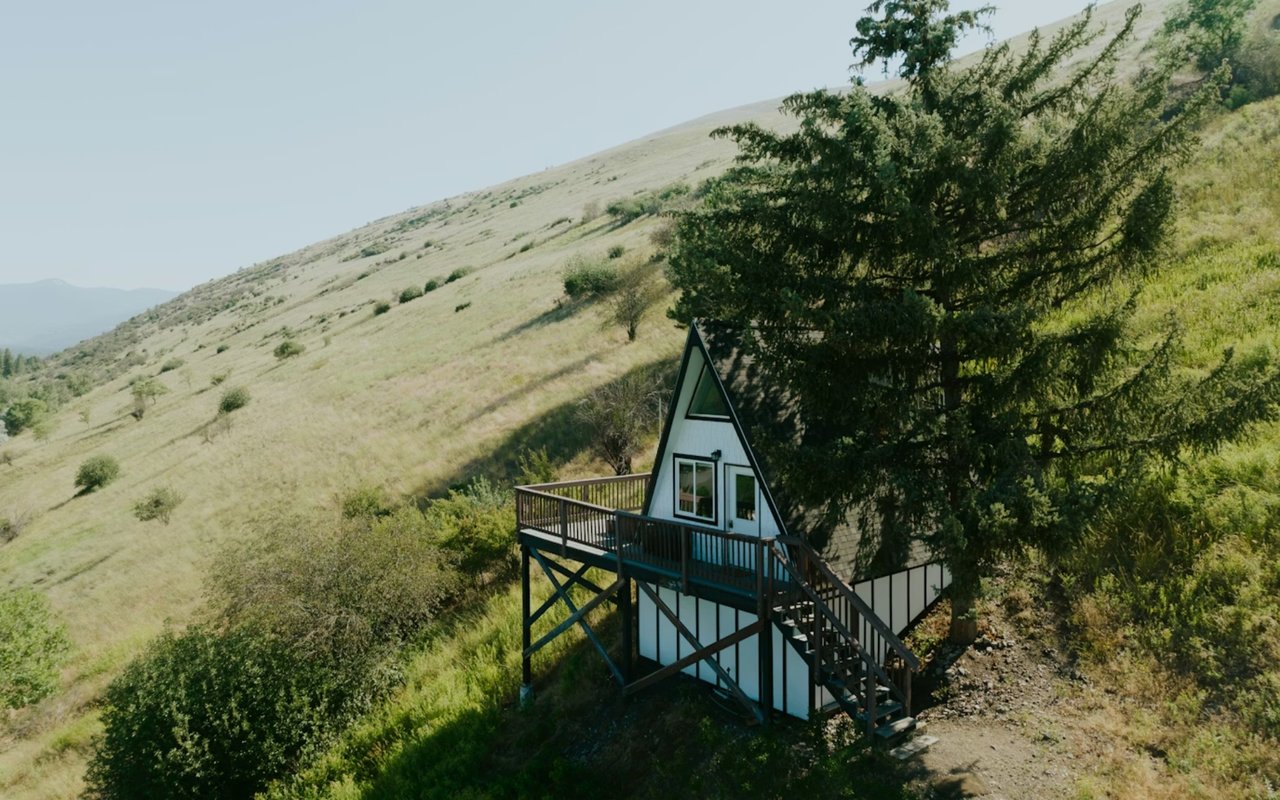
The most important design decisions involve where the home sits on its parcel, how it orients to the sun and prevailing southwest wind, and which views it prioritizes from which rooms.
Siting Principles for Montana Properties
- Primary view orientation: Position main living areas and glazing toward the dominant mountain or valley view rather than defaulting to street-facing orientation.
- Solar gain management: South-facing glazing with appropriate overhangs captures winter solar heat while limiting summer gain.
- Wind exposure: Bozeman's prevailing southwest winds are strongest on exposed ridge and bench sites; thoughtful building placement and landscape buffering reduce infiltration and heating loads meaningfully.
- Service placement: Positioning garages and utility entries on the north or street-facing side preserves south and view-facing elevations for living spaces and glazing.
The homes in this market that feel most connected to their setting are almost always the ones where the siting conversation happened first and thoroughly.
Materials: Connecting the Home to Its Region
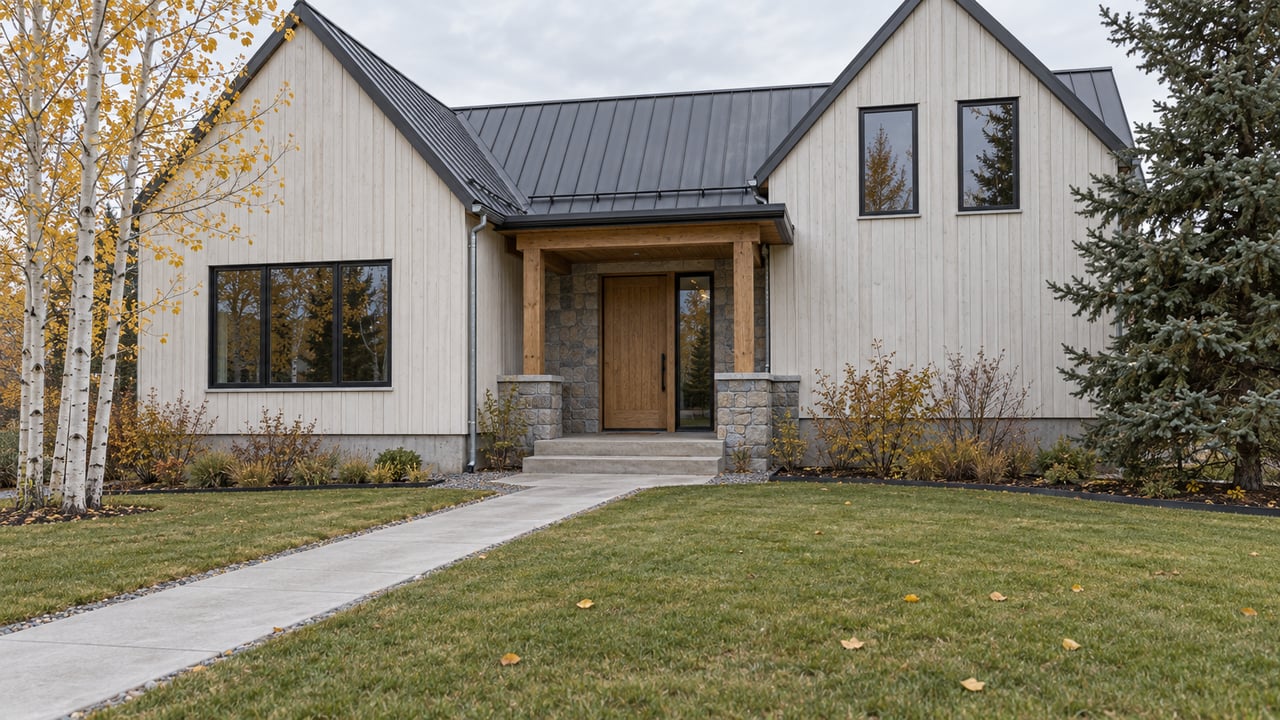
Montana's residential design vocabulary spans reclaimed Douglas fir and pine timber, Montana moss rock, weathering Corten steel, wire-brushed white oak, and board-formed concrete.
Materials That Anchor a Home to the Montana Landscape
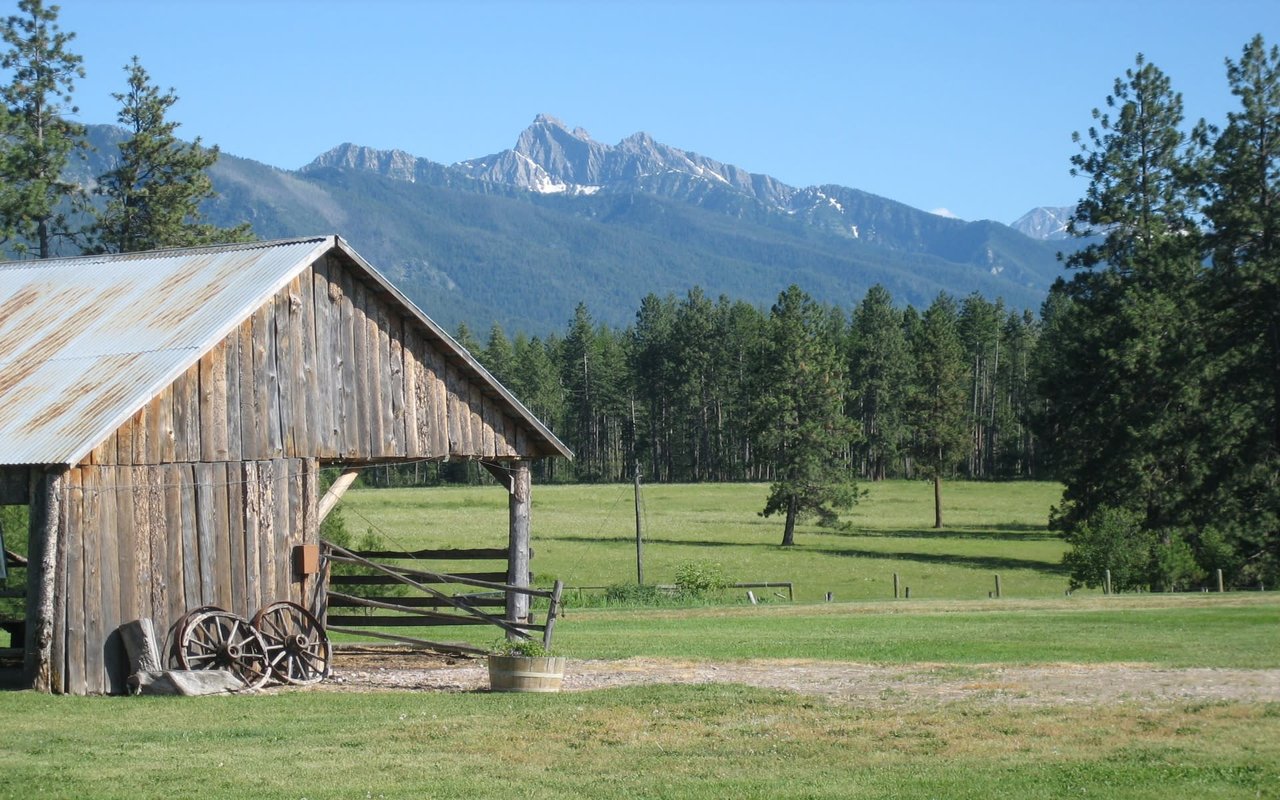
- Reclaimed timber: Sourced from regional barn and industrial structures, reclaimed fir and pine bring authentic patina to both structural and decorative applications.
- Montana moss rock: A regionally quarried ledgestone used at fireplace surrounds, exterior cladding, and retaining walls that reads as native to the Northern Rockies.
- Weathering steel: Corten panels develop a rust patina that echoes the amber and ochre tones of Montana's fall grasslands and sagebrush terrain.
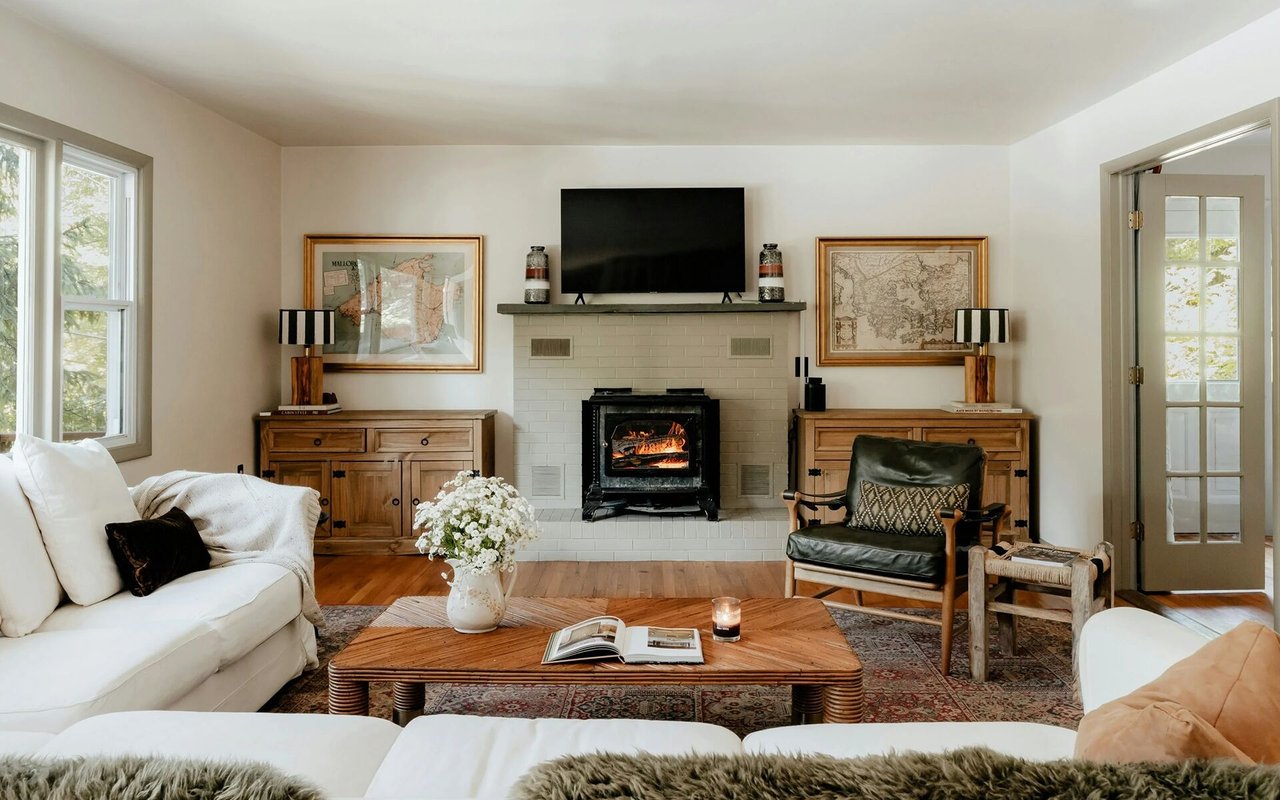
- Wire-brushed white oak: A flooring and millwork choice that balances warmth with restraint, complementing heavier timber and stone without competing with them.
Home design Montana natural landscape authenticity is as much about what is left out of the material palette as what is included.
Indoor-Outdoor Living and Glazing Strategy
Montana's shoulder seasons (May, September, and October) deliver spectacular outdoor conditions, but temperatures can drop 30 degrees between afternoon and evening, and wind on exposed sites can make uncovered outdoor spaces unusable for extended periods.
Indoor-Outdoor and Glazing Design Priorities
- Covered outdoor rooms: Deep covered porches with fireplaces and infrared heaters extend the outdoor living season into Montana's shoulder months on even the most exposed sites.
- Operable wall systems: Folding or sliding glass walls on the view-facing elevation dissolve the interior-exterior boundary during Bozeman's warm months without the thermal penalty of fixed full-height glazing.
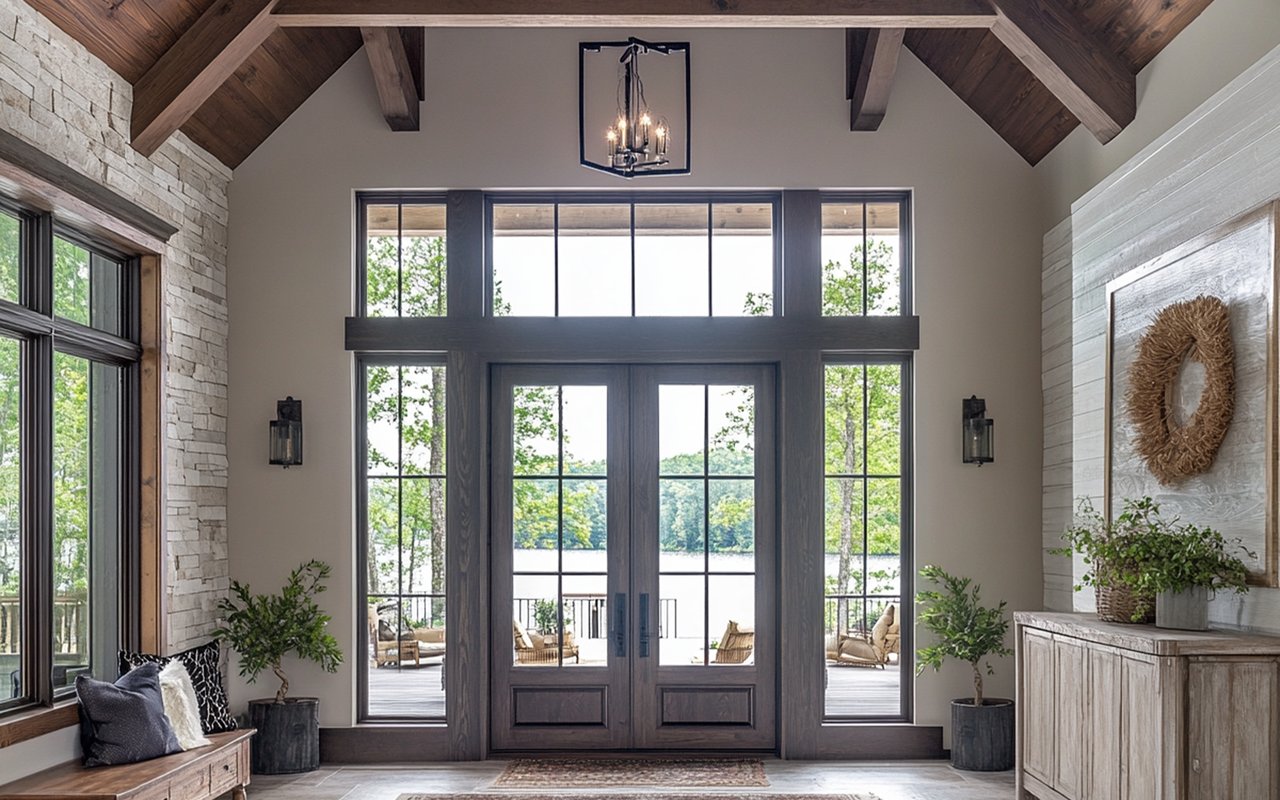
- View framing: Clerestory windows, picture windows at seated eye level, and carefully sized openings that frame specific peaks treat the landscape as a deliberate composition rather than a generic backdrop.
- Thermal performance: Triple-pane glazing and thermally broken frames balance view access with the envelope performance Montana winters demand.
Glazing strategy deserves equal attention, with window and door placement treated as a compositional act that frames specific views deliberately rather than simply admitting light.
FAQs
What architectural style works best for homes in the Bozeman area?
The most successful homes commit to a clear design language and execute it with material consistency and site-specific intentionality. Hybrid approaches mixing unrelated stylistic references tend to produce homes that feel neither rooted nor resolved.
How does Montana's climate affect interior material choices?
Montana's dramatic temperature swings and low winter humidity create specific performance requirements. Solid wood flooring requires proper acclimation and expansion gaps, stone and tile outperform wood in high-moisture entry and mudroom areas, and radiant floor heating beneath stone delivers comfort that forced-air systems cannot match in rooms with high ceilings and significant glazing.
Is sustainable design a priority in the Bozeman luxury market?
Sustainability is increasingly a baseline expectation rather than a differentiator in Bozeman's upper-tier new construction. Spray foam insulation, high-performance glazing, solar-ready electrical infrastructure, and EV charging are appearing as standard specifications in custom builds above $1.5 million.
Contact Joy Vance Today
I work with buyers and sellers who understand that distinction and want representation from someone who evaluates a home's design quality and site relationship with the same rigor applied to price and condition.
Let's identify the home design Montana natural landscape opportunity that fits your goals, whether that means finding a new construction site where the siting conversation can happen from the start or recognizing a resale property whose bones and setting are genuinely worth what they're asking.
Contact me, Joy Vance, as your next key step toward a custom home in Montana.
Let's identify the home design Montana natural landscape opportunity that fits your goals, whether that means finding a new construction site where the siting conversation can happen from the start or recognizing a resale property whose bones and setting are genuinely worth what they're asking.
Contact me, Joy Vance, as your next key step toward a custom home in Montana.