In a competitive market like Bozeman, it’s easy to get swept up in the excitement of finding the perfect home. But once your offer is accepted, the real work begins, and one of the most critical steps is the home inspection. Understanding the buyer's home inspection process can protect your investment and give you the confidence to move forward, renegotiate, or walk away.
Here’s what every Bozeman buyer should know about this key phase of the home-buying journey.
Why the Home Inspection Matters in Bozeman
While a home inspection is standard practice in most markets, it’s especially important in Bozeman, where property types range from historic homes near downtown to custom builds in Gallatin Gateway. Older homes may have aging infrastructure or code updates to consider. Newer homes, especially in growing subdivisions, might look pristine but still hide issues with craftsmanship or rushed construction timelines.
Montana’s four-season climate also takes a toll on homes. Snow load, freeze-thaw cycles, and sun exposure can impact everything from roofing and siding to insulation and drainage. A detailed inspection gives buyers a clearer picture of a home’s condition, not just what’s visible at a showing.
Montana’s four-season climate also takes a toll on homes. Snow load, freeze-thaw cycles, and sun exposure can impact everything from roofing and siding to insulation and drainage. A detailed inspection gives buyers a clearer picture of a home’s condition, not just what’s visible at a showing.
What’s Included in a Standard Inspection
The buyer's home inspection process typically begins a few days after the seller accepts your offer. In Bozeman, your agent will likely recommend a reputable local inspector who understands regional building practices and environmental concerns.
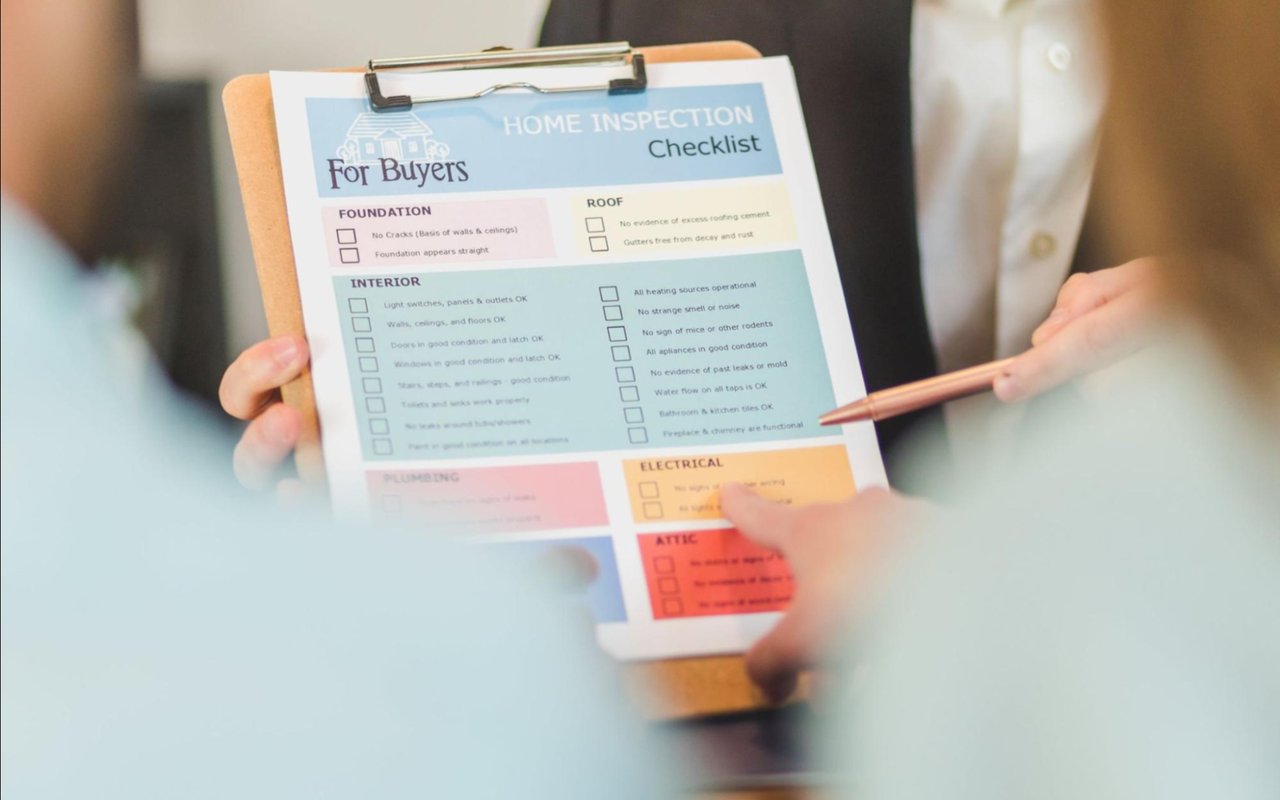
Here’s what most general inspections include:
Here’s what most general inspections include:
- Roof & attic: Condition, ventilation, signs of leaks or water damage
- Foundation & structure: Cracks, settling, grading issues
- Plumbing: Leaks, water pressure, hot water heater
- Electrical: Panel condition, grounding, outlets, safety hazards
- HVAC systems: Age, function, and cleanliness of heating and cooling systems
- Windows & doors: Operation, seal integrity, draft detection
- Exterior: Siding, gutters, decks, grading, and drainage
- Interior: Walls, ceilings, floors, stairs, appliances
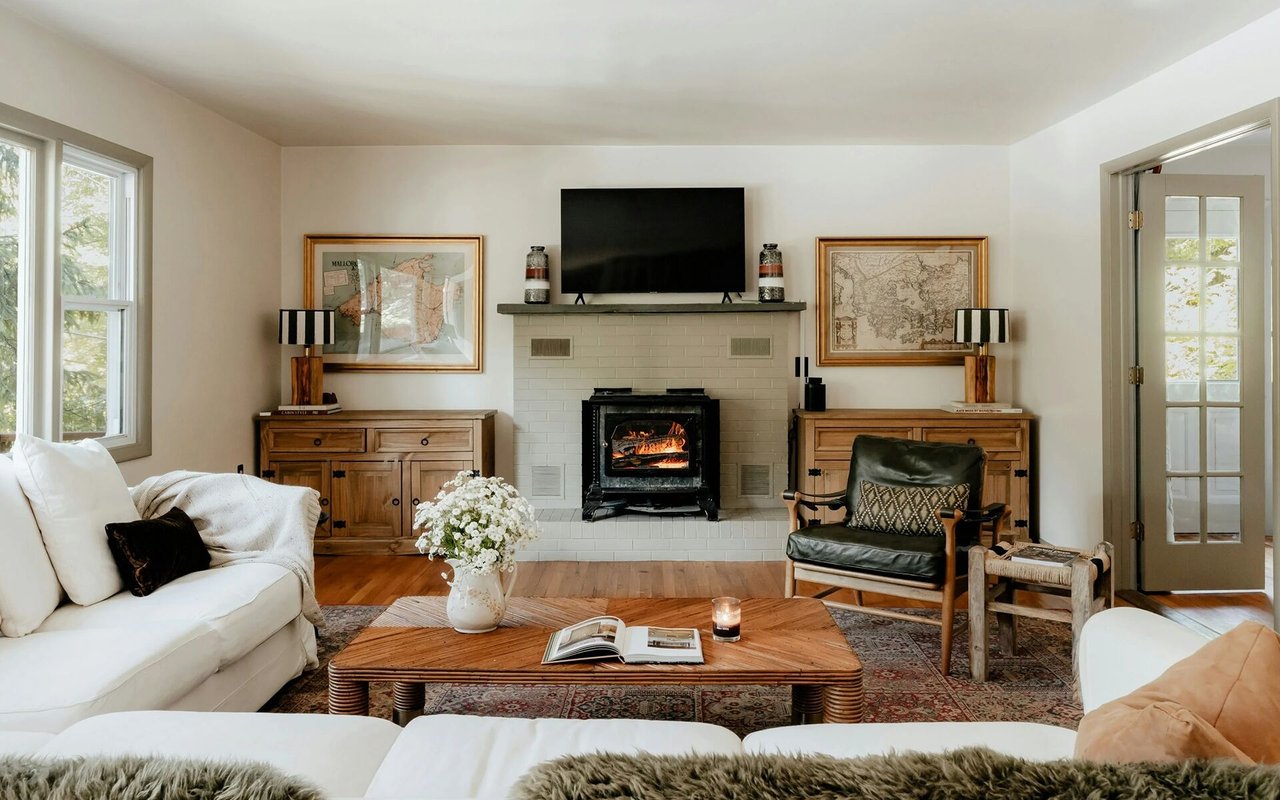
Bozeman homes often come with additions like wood stoves, radiant floor heating, or detached structures, so it’s important to verify whether those are included in the standard inspection or need to be evaluated separately.
Optional and Specialty Inspections
In addition to the general home inspection, buyers may choose to order specialty inspections depending on the property’s age, location, or features. Common add-ons in the Bozeman area include:
- Radon Testing: Radon is naturally occurring in Montana and can be a concern, especially in homes with basements.
- Well & Septic Inspections: Essential for rural properties outside city water/sewer service.
- Pest Inspections: Look for signs of wood-destroying organisms like carpenter ants or termites.
- Chimney Inspections: Important for homes with wood-burning fireplaces or stoves.
- Mold or Air Quality Testing: If there’s a history of water damage or visible signs of moisture.
Your agent will help you determine which inspections are appropriate for the specific home you're buying and whether they’re worth the added time and cost.
What the Timeline Looks Like
Typically, Bozeman purchase agreements include a 7–10 day inspection period. During this window:
- Your agent helps schedule the inspection
- You attend the inspection (optional, but recommended)
- You receive a full written report within 24–48 hours
- You review the findings and decide how to proceed
Most inspections take 2–4 hours, depending on the size and complexity of the property. If major issues arise, this window gives you time to bring in contractors or specialists for further evaluation before the deadline.
How to Read the Report Without Panicking
Almost every home, new or old, will have a list of recommended repairs or areas to monitor. Don’t let that alarm you. The inspector’s job is to be thorough, not just highlight red flags.
Focus your attention on:
Focus your attention on:
- Structural issues
- Safety hazards (e.g., outdated wiring or gas leaks)
- Signs of water damage or active leaks
- Major system concerns (HVAC, plumbing, electrical)
- Roof or foundation integrity
Your agent can help you prioritize what’s urgent versus cosmetic. Some findings may be negotiation tools, while others simply help you plan for future maintenance.
What Happens After the Inspection
Once the inspection report is complete, you have a few options:
- Move forward as-is: If the home is in good condition or the repairs are minimal.
- Request repairs or credits: Through your agent, you can ask the seller to address issues or reduce the price.
- Walk away: If significant problems are uncovered and you’re within your contingency window.
Negotiation after inspection is common. In Bozeman’s market, sellers are often open to reasonable repair requests, especially when documentation is clear and backed by the inspector’s report. This is where a strong agent is key. Someone like Joy Vance and Co. can advocate for your best interests while keeping the transaction on track.
Tips for a Smoother Inspection Process
- Be present if possible. Walking through the home with your inspector gives you a chance to ask questions in real time.
- Don’t nitpick. Focus on health, safety, and functionality, not chipped paint or old carpet.
- Plan for some repairs. Even well-maintained homes may need small fixes.
- Ask follow-up questions. Your inspector is a resource. Use their knowledge to understand what you’re buying.
Final Thoughts: A Smart Step for Savvy Buyers
In a market like Bozeman’s, where demand is high and inventory moves fast, it’s tempting to rush through the inspection step just to stay competitive. But skipping or minimizing this process could cost you far more in the long run. A clear understanding of the home’s condition allows you to move forward with confidence or step back with clarity.
Need Help Navigating the Buyer's Home Inspection Process?
If you're purchasing in Bozeman and want guidance you can trust, Joy Vance and Co. brings deep local experience and a calm, client-first approach. From recommending the right inspectors to interpreting your report, their team ensures you know exactly what to expect every step of the way. Reach out today to start your buying journey with confidence.