By Joy Vance
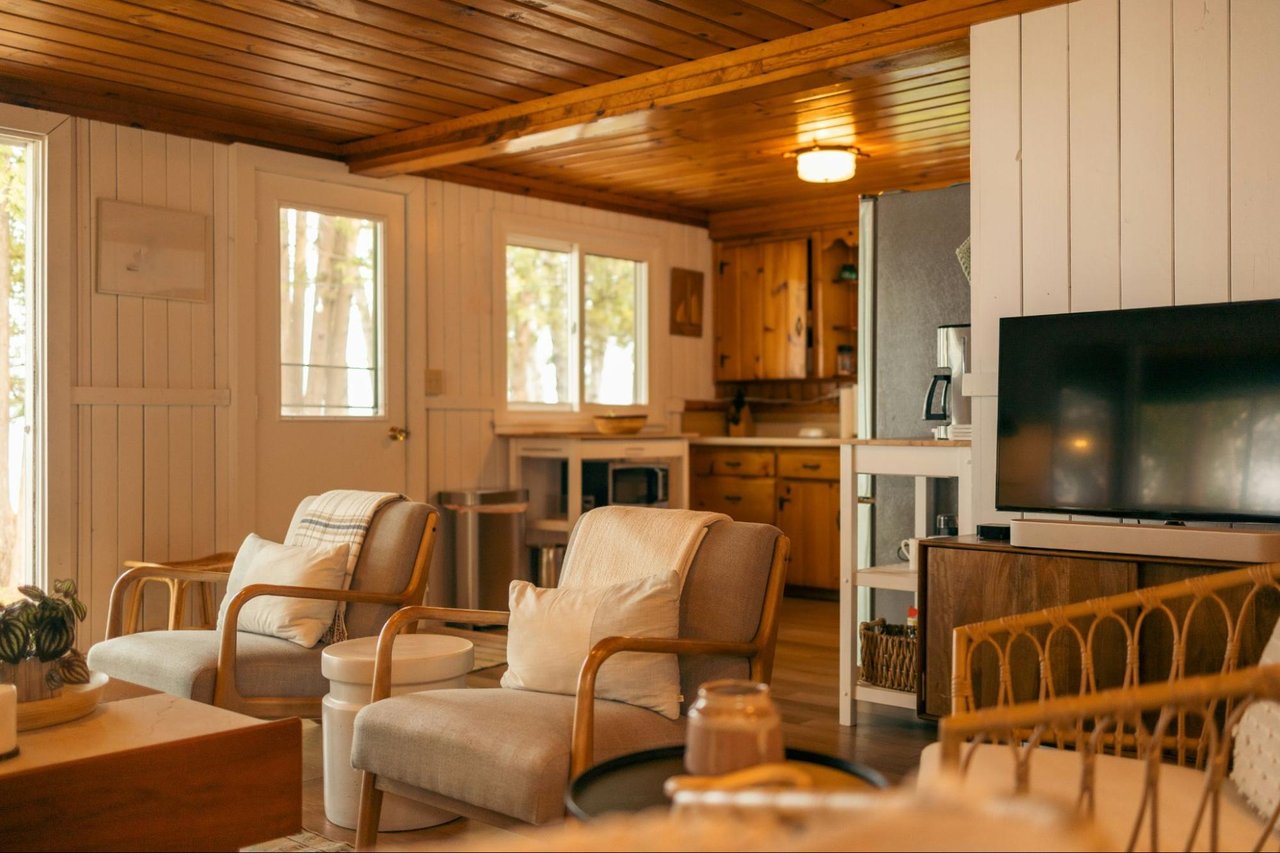
A guest cabin adds real flexibility to a Montana property, whether it's used for visiting family, long-term guests, or extra rental income. Guest cabin renovation on a Montana property involves a different set of considerations than updating the main home. Permits, zoning rules, and the realities of a Montana winter all factor into the process. Understanding these details early keeps a project moving smoothly from planning to move-in.
Key Takeaways
- Learn what local permits and zoning rules apply to a guest cabin project.
- Discover how well and septic requirements affect a cabin's placement.
- Find out which design choices hold up best against Montana winters.
- Understand which renovation priorities make the biggest difference for older cabins.
Permits And Zoning Rules To Understand First
Guest cabin renovation on a Montana property, along with new construction, generally starts with a trip to the county planning office. Zoning rules vary depending on where a property sits, and many areas require a specific permit before a guest cabin can be built or expanded. Skipping this step early can slow down a project once construction is already underway.
What To Confirm Before Building Or Renovating
- Whether the property's zoning allows a guest cabin or accessory dwelling unit
- Whether a Conditional Use Permit is required in that zoning district
- Any limits on how large the cabin can be relative to the main home
- Whether the property already has an existing guest structure on file
- Setback requirements that affect where a cabin can sit on the lot
Confirming these details with the county early prevents costly changes later in the project.
Well And Septic Considerations For A Guest Cabin
Many rural Montana properties rely on a private well and septic system rather than municipal utilities. A guest cabin often needs its own septic capacity or a shared system approved to handle the added use. These systems come with their own permitting and inspection requirements separate from the building permit itself.
What To Plan For With Well And Septic Systems
- County sanitarian approval for any new or expanded septic system
- A licensed driller for any new well work
- Confirming that an existing septic system can handle additional use
- Required separation distances between wells, septic systems, and structures
- Soil testing to confirm a site can support a septic system at all
Working through these requirements early keeps the rest of the project on schedule.
Designing A Cabin That Holds Up To Montana Winters
A guest cabin in Montana needs to handle heavy snow and long, cold winters, not just look good in the summer. Roof design, insulation, and material choices all play a role in how well a cabin holds up over time. A cabin built without these considerations can end up needing repairs sooner than expected.
Design Choices Worth Prioritizing
- A roof pitch designed to shed heavy snow loads
- Insulation rated for four-season use, not just occasional visits
- Durable siding and roofing materials suited to Montana's climate
- Heating systems reliable enough for extended winter stays
- Covered entries or mudrooms to manage snow and mud at the door
These choices help a guest cabin function well year-round, not just during the warmer months.
Renovating An Existing Guest Cabin
Older guest cabins on Montana properties often need updates before they're ready for regular use. Some renovations matter more than others when it comes to comfort and long-term durability. Prioritizing the right projects makes a bigger difference than trying to update everything at once.
Renovation Priorities Worth Considering
- Updated insulation and windows for better energy efficiency
- Confirming the septic system can still handle current use
- Roof and foundation repairs addressed before cosmetic updates
- Modernized electrical and plumbing systems where needed
- Interior updates that keep the cabin's original character intact
Focusing on these priorities first gives a renovated cabin a much longer useful life.
Frequently Asked Questions
Can a guest cabin be rented out to short-term or long-term tenants?
It depends on the property's zoning and any specific restrictions tied to the permit used to build the cabin. Checking with the county before advertising a rental helps avoid running into a zoning violation down the road.
Does adding a guest cabin increase a property's value?
A well-built, properly permitted guest cabin often adds real value, especially on larger rural properties. An unpermitted structure, on the other hand, can complicate a future sale rather than add to it.
How long does the permitting process typically take for a guest cabin?
Timelines vary depending on the zoning district and whether a Conditional Use Permit is required. Projects that need additional review, like a public hearing, generally take longer than a straightforward permit application.
Connect With Joy Vance
Guest cabin renovation on a Montana property is a smart way to add flexibility and long-term value to a piece of land. I help property owners understand what's possible on a specific parcel before any work begins.
If you're considering purchasing a Montana property, connect with me, Joy Vance, and I’ll connect you with parcels of land that could easily hold your dream home or a guest cabin.